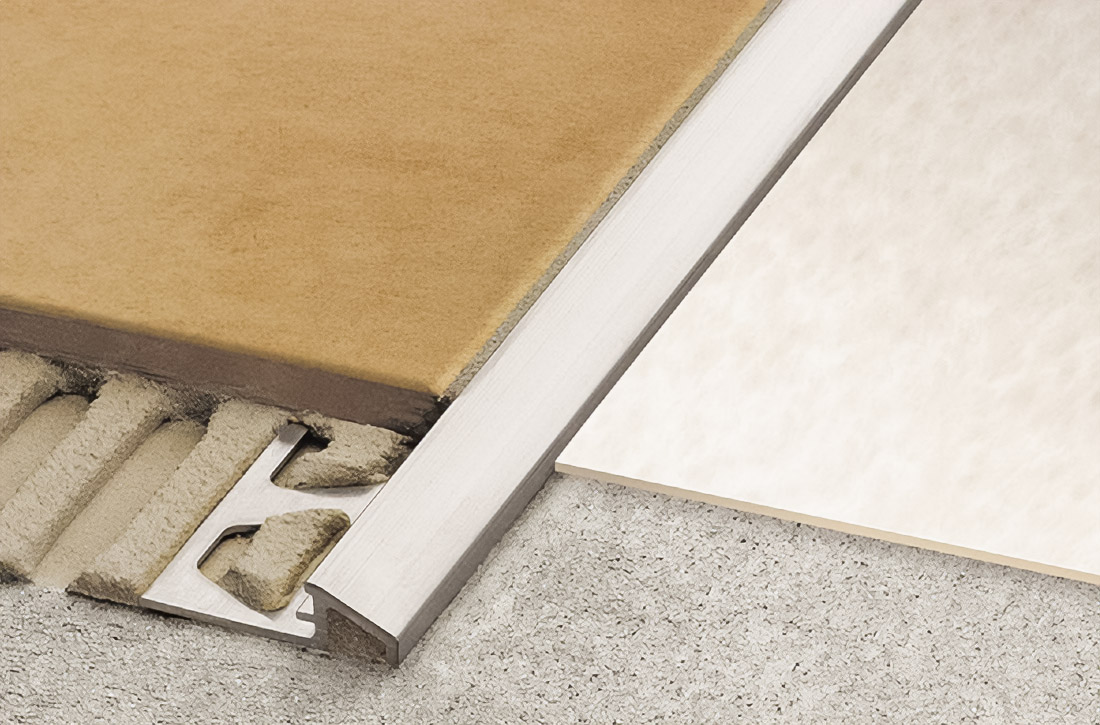
The staircase is more than just a structure connecting the floors. It initially carries a risk: one wrong move can turn into a fall. That is why profiles for steps, or stair nosing, become a mandatory element of design. Their purpose is multi-layered: they protect the edge, increase grip, make the steps more visible and extend the service life of the entire structure.
Page content
Why Step Profiles Are Necessary
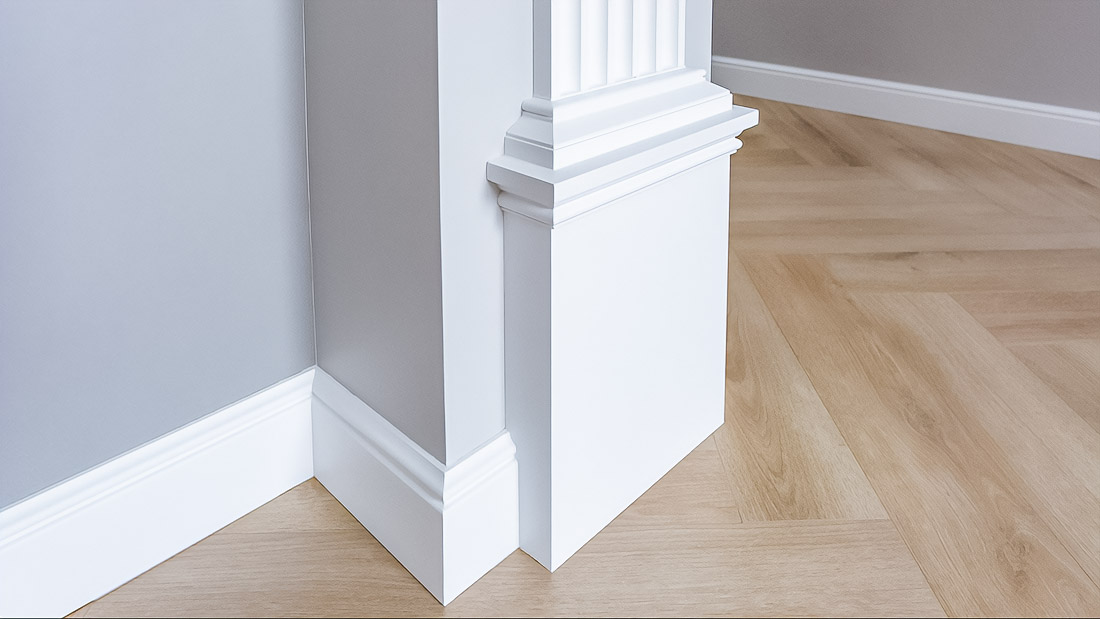
The leading edge of the tread is the area where the foot meets the surface of the first one. If the shape is uneven or the coating is missing, the risk of falls increases dramatically. This is especially true for staircases in schools, hospitals, and other public buildings. A rounded radius, a beveled corner, or an anti-slip insert make a difference: they reduce the chance of snagging and create confidence with every step.
Standards And Technical Parameters
In international practice, the ADA and OSHA standards serve as a guideline. They detail not only the general requirements, but also the strict dimensions:
- the radius of rounding is not more than ½ inch (13 mm);
- the protrusion of the profile is a maximum of 1½ inches (38 mm);
- the height of the riser according to ADA is from 4 to 7 inches (100–180 mm);
- the tread depth is at least 11 inches (280 mm);
- according to OSHA: depth not less than 9.5 inches (240 mm), height not more than 9.5 inches (240 mm);
- full size matching of all risers and treads in one march.
Even a minimal deviation just one centimeter already poses an additional threat. Unification here is not a formality, but a direct defense. In addition, a mandatory anti-slip coating is required, especially in rooms with heavy traffic and high humidity.
Materials And Shapes Of Profiles
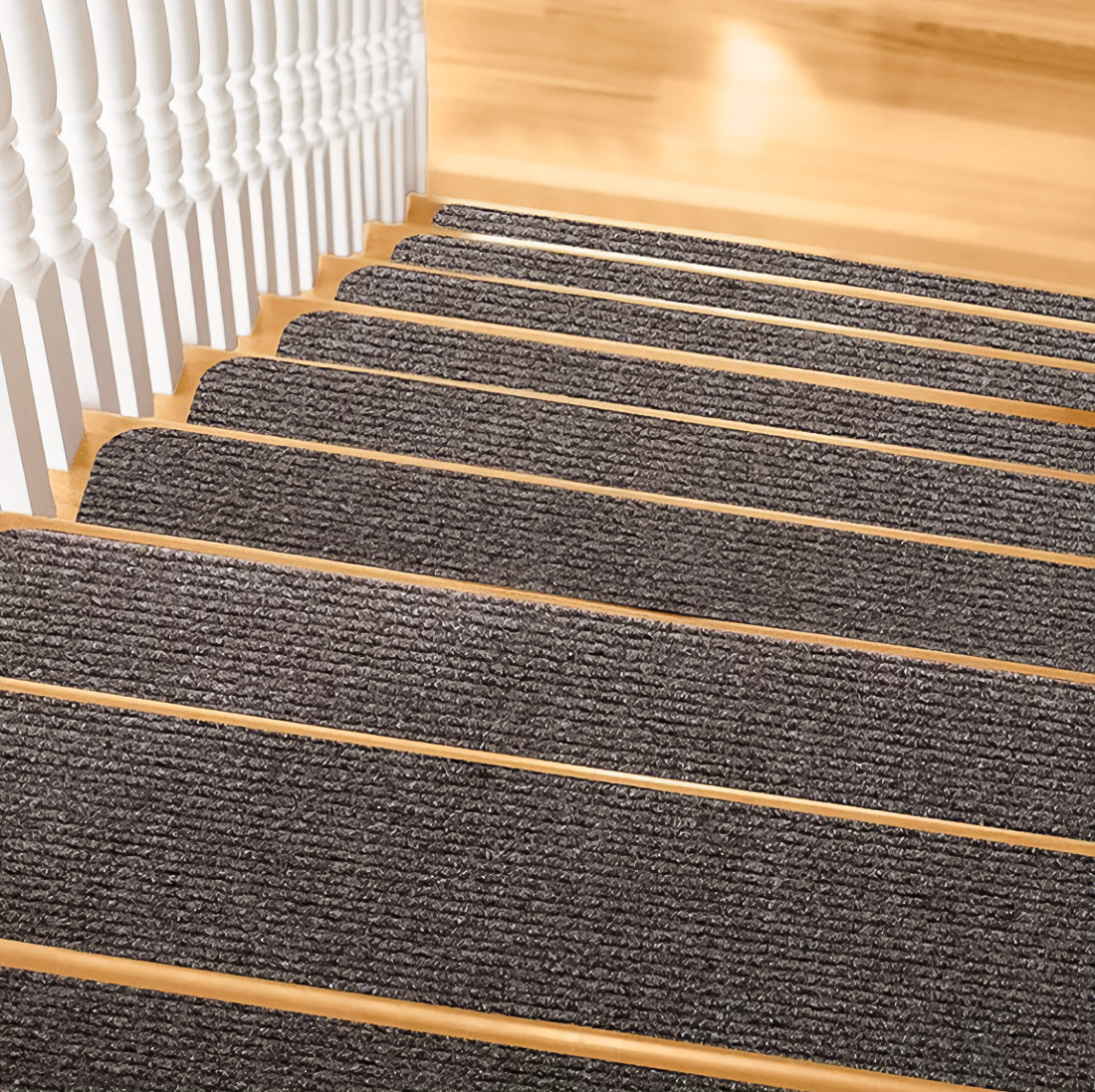
Modern profiles are made of different materials.
Aluminum guarantees durability and a modern look.
PVC is in demand where ease of care is needed.
FRP (fiberglass) is indispensable in conditions of moisture and aggressive environments.
Rubber softens the step and increases grip.
Steel is used where maximum load resistance is important.
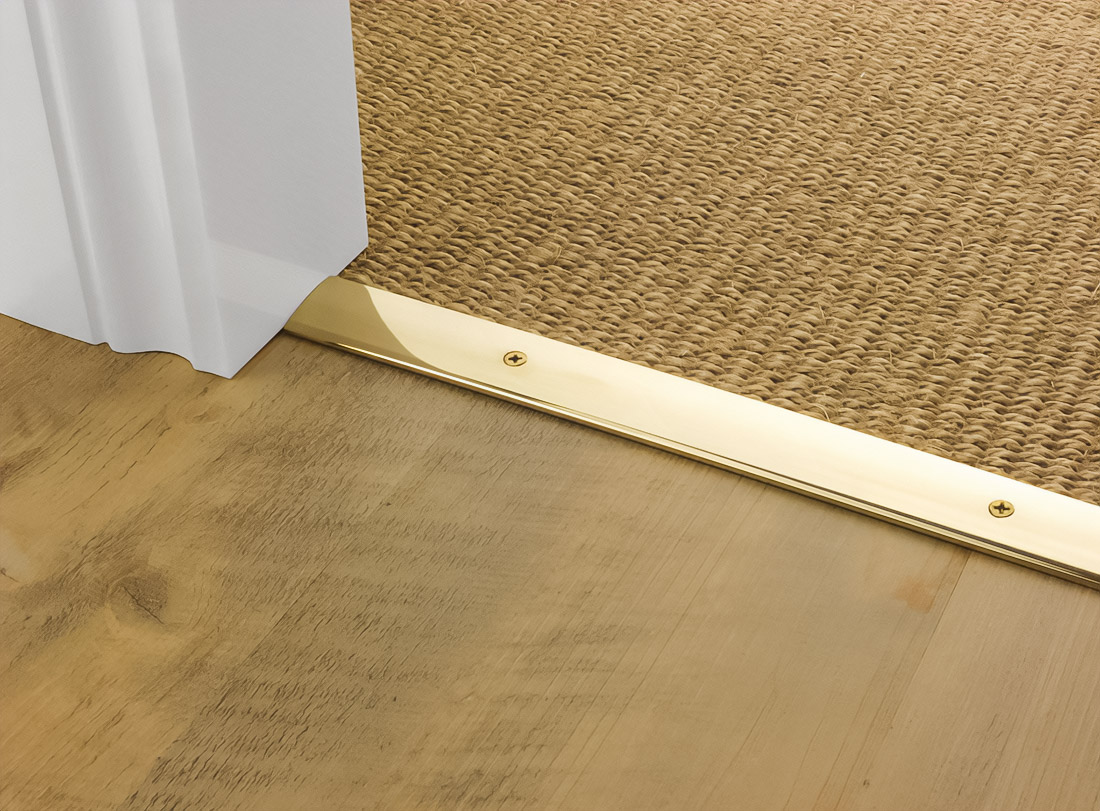
Wood and brass are most often decorative accents.
The shape also determines convenience and safety. Rounded bullnose protects against sharp edges. The beveled edge makes the transition easier. The straight profile emphasizes the minimalism of the interior. In poorly lit rooms, LED inserts are increasingly being used, which highlight the edge of the step and direct movement. It is also appropriate to mention here that many solutions are supplied in a comprehensive manner: stair and flooring systems are often developed by the same <a href="https://dennardprofile.com/ aluminium trim manufacturers that provide other architectural finishing components.
Application In Different Conditions
Aluminum and rubber profiles are installed in schools and hospitals; endurance and safety are most important there. In theaters and cinemas, the priority is different: the visibility of the steps in the dark. LED profiles are used here, which highlight the border even in the complete absence of light. FRP profiles that are resistant to moisture, chemical fumes and constant abrasion are in demand in industrial premises.
In hot climates, such as in the UAE, the material must be resistant to high temperatures and dust. Therefore, choose profiles that do not deform in the sun and retain their anti-slip properties even after contact with sand.
Aesthetics Combined With Safety
Stair nosing is not only about protection. This is part of the visual image of the staircase. A contrasting color or textural insert helps the visually impaired to distinguish the boundaries of the steps. In modern projects, profiles are selected so that they either match the floor finish or become a decorative accent.
Profiles for steps are not a secondary element, but the basis of safety and convenience. They increase the service life of the structure and reduce the risk of injury. Strict compliance with ADA and OSHA standards, the right choice of material and shape make stairs safe and comfortable. Aluminum, PVC, FRP, and rubber profiles with anti-slip surfaces, contrasting paint, or LED lighting provide user protection. A staircase with such elements ceases to be a simple structure; it becomes a guarantee of safety for everyone who climbs or descends it.
Leave a Reply