

The rental business is like a chess game: every decision must be verified, especially in conditions of seasonal fluctuations. Demand is skyrocketing, then disappearing into the shadows. In order not to lose out at this pace, fleet management by any luxury rent a car must be flexible, analytical, and technologically savvy.
Page content
Peak demand: when every minute is worth its weight in gold

Summer, holidays, spring break, and major festivals are the hot spots of the calendar. During these periods, the need for car rentals increases dramatically. SUVs, roomy family cars, convertibles and premium models are especially popular. For example, there is a demand for four-wheel drive vehicles in the northern regions in winter. People are looking for safety and comfort. This confirms the increase in SUV bookings during the colder months.
At such times, tenants who have implemented dynamic pricing are in a winning position. They respond instantly to surges in demand: they introduce premium rates, offer seasonal packages with surcharges and limited deadlines. This allows not only to cover costs, but also to increase profits.
Off-season: The silence before the next storm

Autumn. January-February. The tourists have left, and the customers’ budgets are exhausted. It is then that anti-crisis strategies are activated: discounts, inexpensive packages, and long-term rental offers. The secondary market is filled with cars that have been in the fleet for 12-24 months. These cars are in good condition, with a transparent history, and therefore they quickly find a buyer. Fleet rotation is not just a strategy, but a necessity. The maintenance costs of older models often exceed the benefits of maintaining them.
Fleet Management: Flexibility is strength
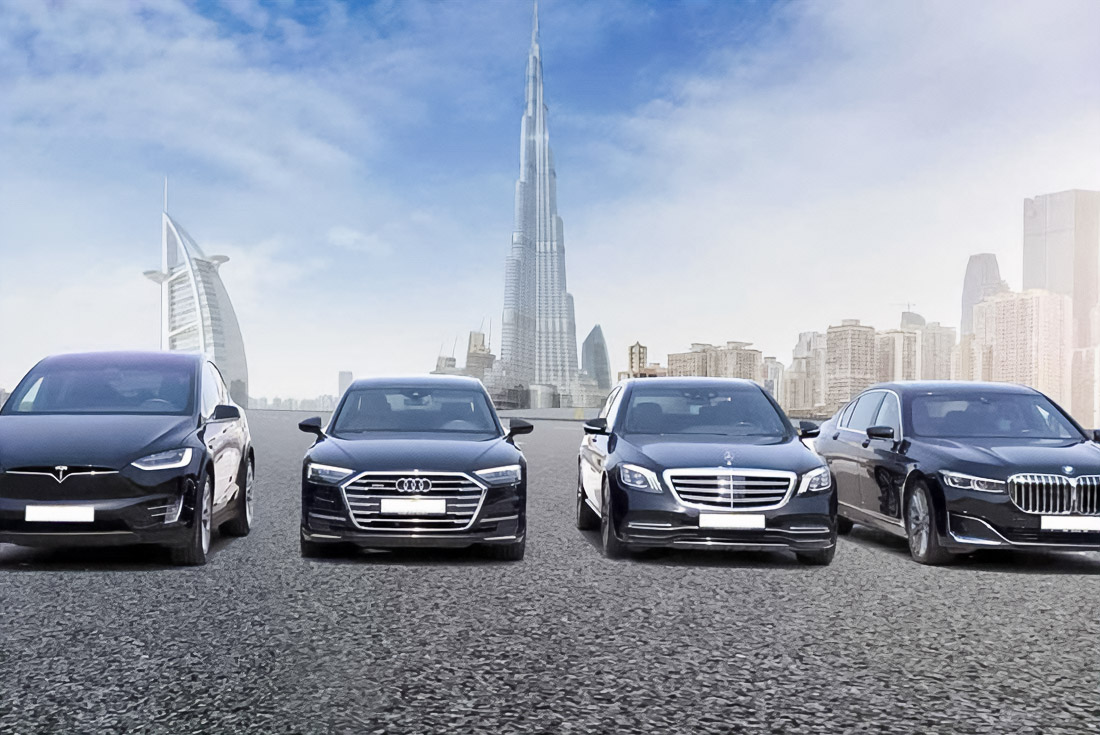
To survive in this rhythm, you need to be able to scale. Today, you are expanding your fleet to accommodate the tourist flow, and tomorrow, you are reducing it so as not to “burn” unnecessary resources. Here, competent rotation comes to the fore: assessment by mileage, age, cost of maintenance, wear and tear, and liquidity. If the car draws more money than it brings, it should leave. It’s better to replace than to stall for time.
Short—term leasing programs are a lifesaver for flexibility. They are especially in demand among business travelers, visiting specialists, and tourists for a month. Without capital expenditures, you can quickly increase the fleet.
Technology: something without which everything breaks down

The introduction of telematics, GPS, and mobile platforms is no longer a trend, but a standard. Online booking, car status tracking, maintenance notifications – all this reduces the burden on employees, increases accuracy and reduces downtime. Through telematics, it is possible to identify: who is wasting fuel, where the car is idle, and where it needs urgent repairs.
Process automation is the second half of success. Systems that issue invoices themselves, calculate prices based on demand, and send reminders about oil changes — saving time and minimizing errors.
Infrastructure, logistics and money
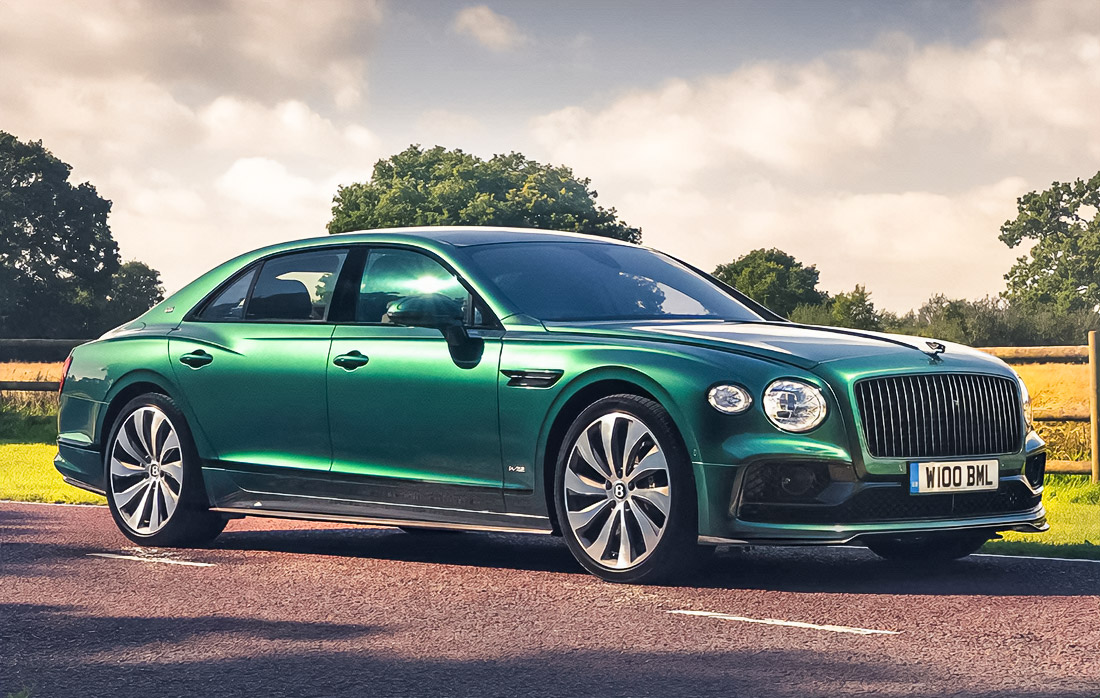
Reliable delivery logistics is an inconspicuous but essential element. Car wear, downtime, and transportation costs depend on how the route is set up between branches. At the same time, the budget is like a taut string. It is often more profitable to replace the car immediately than to repair it after each trip.
The secondary market is playing into your hands again: if you sold at the peak, you got the money, and if you bought a new one, you reduced your maintenance costs. This cycle is vital to maintain margins in the face of falling demand.
Summarizing the results
Seasonal fleet management is like surfing: it’s important not only to catch a wave, but also to stay on it. Demand forecasting, flexible pricing, rapid vehicle rotation, digital transformation, and automation are all turning businesses from fragile to adaptive. The winner is not the one with the most cars, but the one who thinks faster and plans more accurately.
Leave a Reply